
What a Commercial Photography Campaign Actually Looks Like on Location
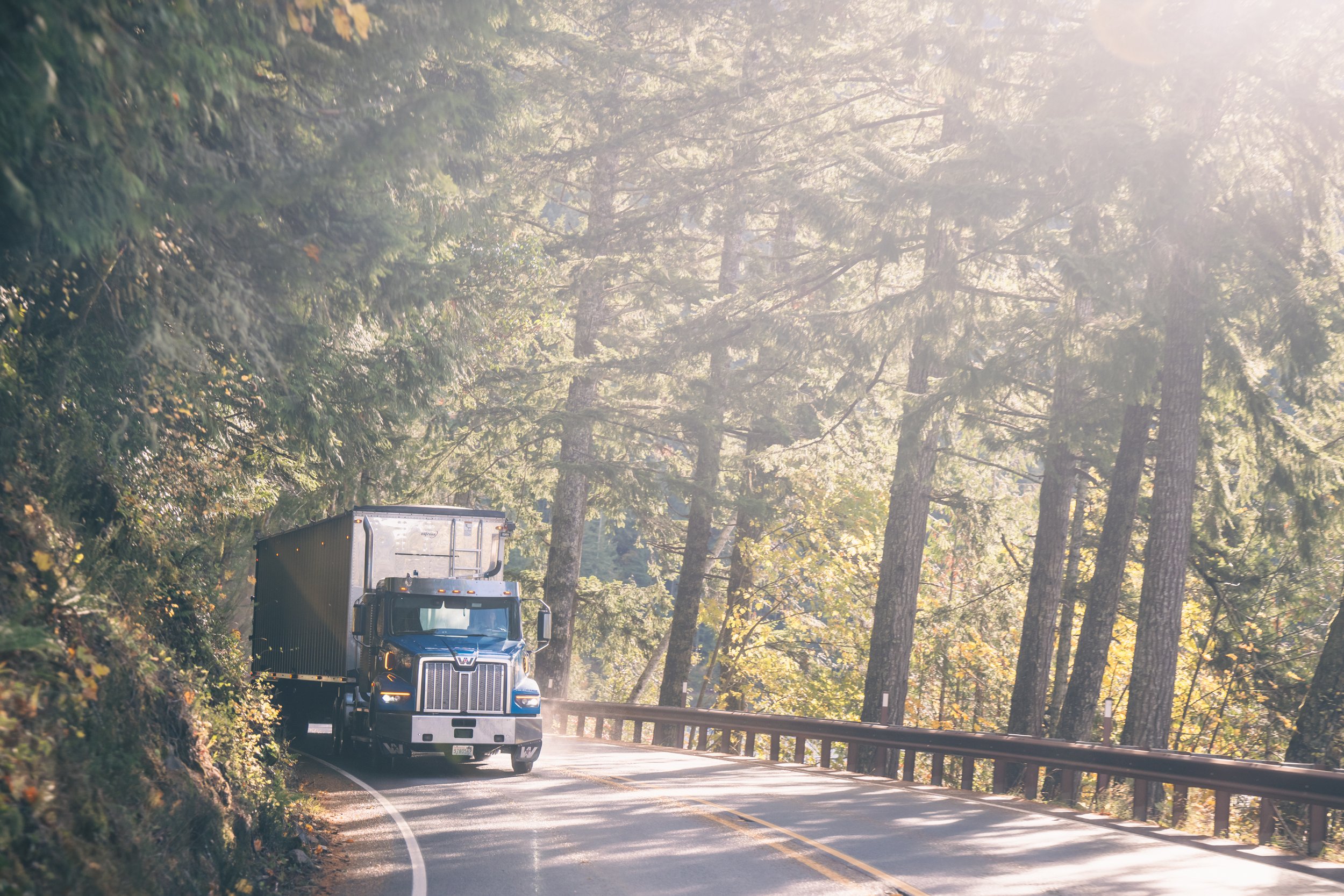
Four-thirty in the morning in western Washington, standing in a logging road in the dark waiting for the sunrise. The advance scout had been two weeks prior. The light we were counting on hit for about forty minutes, cutting through the thick, wet, forest. We got what we needed, then it was gone and we were loaded back into the pickup and on to the next location.
That’s more or less how production goes, just on repeat for entire days. Maybe weeks. Here’s an honest account of what happens between the brief and the final selects.
Pre-production is where the shoot actually gets made
The work that determines whether a production succeeds happens before anyone gets on a plane. Location scouting — in person when possible, via research and satellite imagery and phone calls with people on the ground when not — is where we figure out where the light lands at what time, what access looks like, and what the contingency is when Plan A falls apart.
For agricultural and industrial campaigns, pre-production also means understanding the operation itself. What does a working day look like? Which parts of the process are visually compelling? The strongest frames don’t come from posing people in front of equipment — they come from knowing the work well enough to be in the right place when something real is happening. That knowledge lives in pre-production.
The production schedule is built around light
Commercial shoot schedules work backwards from the light, not from convenience. On most location campaigns we’re running early calls — sometimes very early — to hit the first-light window, breaking mid-day when the sun goes flat and hard, and returning to the field in the late afternoon when the quality comes back. It’s not the most efficient use of a day on paper. But the difference between images made in good light versus forced light is not a marginal one. It shows in every frame.
Something can go wrong on every production
The question is will the crew be able to adapt? A piece of equipment gets pulled off the field for maintenance. The weather turns. A key subject has a family situation and can’t be there. The location we scouted three weeks ago looks completely different now. We’ve worked through all of these.
The productions that go well aren’t the ones where nothing goes wrong. They’re the ones where enough thought went into contingency planning that a problem doesn’t become a lost shoot day. That’s what thorough pre-production actually buys you.
The edit is where the story gets defined
The deliverable that comes out of a campaign is a small fraction of the coverage that gets shot. The selection process — finding the frames that are technically strong, narratively clear, and true to the creative brief — is where the campaign’s visual language gets set.
We work with clients through selects because they know the brand, the audience, and the downstream usage better than we do. The strongest asset libraries come out of that collaboration — editorial instinct on one side, brand knowledge on the other.